Key Takeaways
- Yield optimizers in DeFi automate complex yield farming strategies by continuously harvesting rewards and compounding them back into user positions, dramatically outperforming manual approaches through frequent automated reinvestment that captures exponential growth.
- These platforms aggregate user deposits to achieve economies of scale, distributing gas costs across all participants and making frequent compounding economically viable even for smaller positions that would be unprofitable to manage manually.
- Smart contract automation eliminates counterparty risk while enabling trustless execution of sophisticated strategies, though it introduces unique vulnerabilities requiring thorough security audits and careful platform evaluation before committing capital.
- Different yield optimizer strategies carry varying risk profiles, from low risk single asset staking earning 5 to 15 percent APY to high risk leveraged farming potentially exceeding 200 percent APY but exposing users to liquidation dangers.
- Critical risks include smart contract vulnerabilities, protocol dependency exposures, impermanent loss from liquidity provision, liquidation in leveraged strategies, and potential rug pulls from malicious operators requiring comprehensive due diligence.
- Essential safety practices include verifying professional security audits, starting with small test deposits, diversifying across multiple platforms and strategies, monitoring positions regularly, and never investing more than you can afford to lose.
- Platform evaluation should assess security audit quality and recency, team transparency and reputation, operational track record without incidents, total value locked trends, fee structures, and underlying strategy mechanics before deployment.
- Gas fees significantly impact net returns, particularly on Ethereum mainnet, making Layer 2 solutions, optimal transaction timing, and appropriate position sizing relative to entry and exit costs crucial for profitability.
- Diversification across platforms, strategies, assets, and blockchains reduces concentration risk while maintaining yield exposure, with conservative approaches limiting individual platform exposure to 10 to 20 percent of total portfolio value.
- Sustainable yield optimization balances return maximization with prudent risk management, prioritizing capital preservation alongside earnings generation while avoiding common mistakes like chasing unsustainably high APYs or ignoring security audits.
Introduction to Yield Optimizers in DeFi
Yield optimizers represent a significant innovation in the decentralized finance ecosystem, offering users automated solutions to maximize returns from their digital assets. These sophisticated platforms have emerged as essential tools for both experienced DeFi participants and newcomers seeking to navigate the complex landscape of yield farming strategies without constant manual intervention.
What Are Yield Optimizers?
Yield optimizers are automated protocols that help users maximize their earnings from cryptocurrency holdings by continuously monitoring and reallocating assets to the most profitable opportunities.
Key Functions:
- ✓ Automatic compounding of rewards
- ✓ Strategy optimization across multiple protocols
- ✓ Gas fee efficiency through pooled transactions
- ✓ Risk adjusted yield maximization
The emergence of yield optimizers in DeFi has democratized access to sophisticated investment strategies that previously required significant technical knowledge and constant monitoring. By automating complex processes such as reward harvesting, token swapping, and reinvestment, these platforms enable users to earn competitive returns while focusing on other priorities.
Why Yield Optimizers Matter
Time Efficiency
Eliminates need for constant monitoring and manual transactions
Cost Savings
Reduces individual gas fees through batched operations
Optimized Returns
Automatically compounds earnings for exponential growth
Strategy Access
Provides access to complex strategies without technical expertise
Understanding how to effectively utilize these platforms requires knowledge of their mechanisms, potential risks, and strategic best practices. This comprehensive guide explores proven approaches to safely and efficiently maximize returns through yield optimization in the evolving DeFi landscape.
Understanding How Yield Optimizers Work
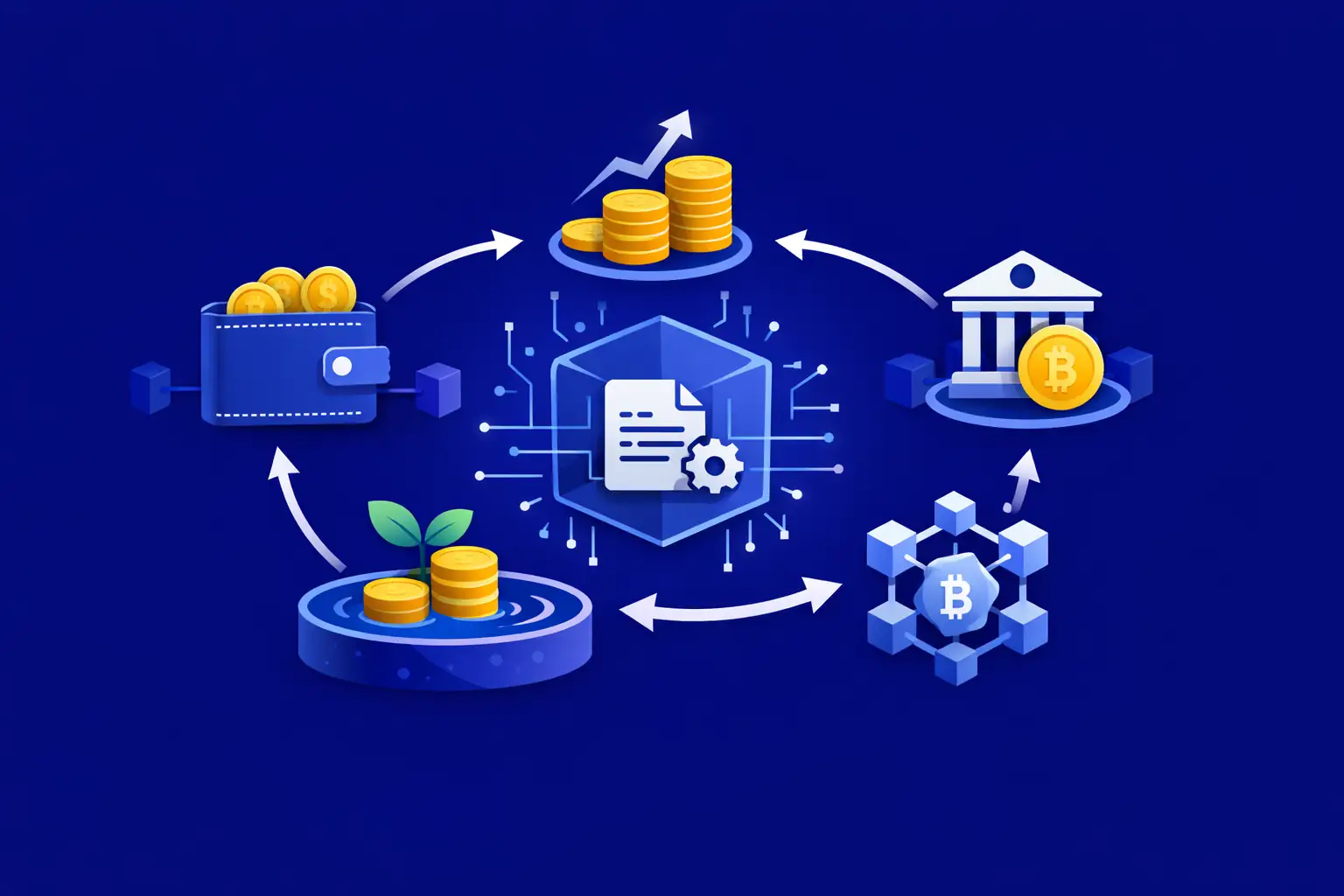
At their core, yield optimizers function as intermediary protocols that execute complex yield farming strategies on behalf of users. They aggregate user deposits into collective pools, then deploy these pooled assets across various DeFi protocols to generate returns.
The Yield Optimization Process
Step by Step Workflow:
- Deposit: Users deposit assets into the yield optimizer vault
- Strategy Execution: Protocol deploys assets to underlying yield farming opportunities
- Reward Generation: Deposited assets earn rewards from liquidity provision or staking
- Harvesting: Protocol automatically harvests earned rewards at optimal intervals
- Compounding: Rewards are swapped back to the original asset and redeposited
- Rebalancing: Strategies adjust based on changing market conditions and yields
Core Mechanisms Behind Yield Optimizers
Automated Compounding
Instead of waiting for users to manually claim and reinvest rewards, yield optimizers automatically harvest earnings and compound them back into the position. This creates exponential growth through continuous reinvestment, significantly outperforming manual strategies over time.
Pooled Efficiency
By aggregating deposits from multiple users, yield optimizers achieve economies of scale. Gas costs are distributed across all participants, making frequent compounding economically viable even for smaller positions that would otherwise be unprofitable to compound manually.
Strategy Optimization
Advanced yield optimizers continuously monitor yields across multiple protocols and automatically reallocate capital to the most profitable opportunities. This dynamic rebalancing ensures users always benefit from optimal returns without manual intervention.
The technical sophistication of these platforms varies significantly. Some focus exclusively on auto compounding protocols with single strategy vaults, while others offer multi strategy approaches that dynamically shift between different yield sources based on real time performance data.
Role of Automation and Smart Contracts in Yield Optimization
Smart contract automation forms the foundation of yield optimization, enabling trustless execution of complex strategies without human intervention. Understanding this technological infrastructure is crucial for assessing platform reliability and security.
Smart Contract Functions in Yield Optimization
Vault Contracts
Hold user deposits and manage asset allocation across strategies
Strategy Contracts
Execute specific yield farming logic and interact with protocols
Controller Contracts
Coordinate between vaults and strategies, manage permissions
Harvester Contracts
Trigger reward claiming and compounding operations
Smart contract automation eliminates counterparty risk inherent in centralized solutions. Users retain custody of their assets through cryptographic control, while automated protocols execute predetermined strategies transparently on-chain.
Automation Benefits
- 24/7 Operation: Strategies execute continuously without downtime
- Emotionless Execution: No human bias or panic decisions during volatility
- Transparent Logic: Strategy code is publicly verifiable on blockchain
- Predictable Costs: Fee structures coded into contracts
However, automation also introduces unique risks. Smart contract bugs, oracle manipulation, and protocol integrations can create vulnerabilities that sophisticated attackers exploit. Robust security practices and thorough auditing become paramount for protecting user funds.
Types of Yield Optimizers and Strategies
The yield optimizer landscape encompasses diverse platforms employing various strategies to generate returns. Understanding these different approaches helps users select platforms aligned with their risk tolerance and investment goals.
| Strategy Type | Risk Level | Expected Returns | Best Suited For |
|---|---|---|---|
| Single Asset Staking | Low | 5% to 15% APY | Conservative investors seeking stable returns |
| Stablecoin Farming | Low to Medium | 8% to 25% APY | Risk averse users wanting minimal volatility |
| LP Token Farming | Medium | 20% to 60% APY | Users comfortable with impermanent loss risk |
| Leveraged Yield Farming | High | 50% to 200%+ APY | Experienced traders accepting liquidation risk |
| Multi Strategy Vaults | Medium | 15% to 45% APY | Diversification seekers wanting balanced approach |
Popular Yield Optimizer Categories
Auto Compounding Protocols
Focus exclusively on automating the compound process for existing yield farming positions. These platforms harvest rewards and reinvest them continuously, maximizing the benefits of compound interest.
Examples: Yearn Finance vaults, Beefy Finance, Autofarm
Multi Protocol Aggregators
Scan multiple DeFi protocols to identify highest yielding opportunities and automatically reallocate capital. These sophisticated platforms dynamically adjust strategies based on changing market conditions.
Examples: Yearn V2, Harvest Finance, Badger DAO
Leveraged Yield Optimizers
Enable users to borrow assets to amplify farming positions, multiplying potential returns while also increasing liquidation risks. These platforms require careful risk management and monitoring.
Examples: Alpaca Finance, Francium, Tulip Protocol
Specialized Strategy Vaults
Target specific market opportunities such as stablecoin arbitrage, options selling, or delta neutral strategies. These vaults employ sophisticated techniques requiring deeper market understanding.
Examples: Ribbon Finance, StakeDAO, Convex Finance
Each strategy type presents distinct risk return profiles. Conservative investors might prefer single asset staking or stablecoin strategies, while experienced users comfortable with higher volatility can explore leveraged approaches or multi protocol aggregators for potentially superior returns.
Benefits of Using Yield Optimizers in DeFi
Yield optimizers provide compelling advantages over manual yield farming, making them increasingly popular among both retail and institutional DeFi participants. Understanding these benefits helps users appreciate the value proposition of automated optimization.
Key Advantages
Compound Interest Maximization
Frequent automated compounding dramatically outperforms manual strategies. Where manual compounding might occur weekly or monthly due to gas costs, yield optimizers can compound multiple times daily, capturing exponential growth that significantly impacts long term returns.
Gas Efficiency Through Pooling
Individual users face prohibitive gas costs for frequent compounding, especially with smaller positions. Yield optimizers distribute these costs across all vault participants, making regular compounding economically viable regardless of deposit size.
Time Savings and Convenience
Manual yield farming requires constant monitoring of APYs across protocols, executing multiple transactions for harvesting and redepositing, and tracking tax implications. Yield optimizers automate this entire workflow, freeing users from tedious operational tasks.
Access to Complex Strategies
Sophisticated yield farming strategies involving multiple protocols, token swaps, and risk management techniques require significant technical knowledge. Yield optimizers package these complex strategies into simple deposit and withdraw interfaces.
Reduced Opportunity Cost
Yield optimizers continuously monitor and reallocate to highest yielding opportunities, ensuring capital always works optimally. Manual users often miss better opportunities or delay reallocation due to gas costs or time constraints.
Real World Impact Example
A $10,000 deposit earning 50% APY with daily compounding through a yield optimizer can generate approximately $6,487 in annual returns, compared to only $5,000 with no compounding. This 29.7% difference in actual gains demonstrates the powerful impact of automated optimization over time.
Risks Associated With Yield Optimization
While yield optimizers offer significant benefits, they also introduce unique risks that users must understand before committing capital. Comprehensive risk assessment is essential for protecting investments and setting appropriate expectations.
Critical Risk Categories
Smart Contract Risk
Yield optimizers add additional smart contract layers between users and underlying protocols. Each layer introduces potential vulnerabilities including coding errors, logic flaws, or exploitation vectors. Even audited contracts can contain undiscovered bugs that attackers exploit for significant losses.
Protocol Dependency Risk
Yield optimizers integrate with multiple underlying DeFi protocols. If any integrated protocol suffers a hack, exploit, or failure, the yield optimizer and its users may experience losses despite having no direct vulnerability in the optimizer itself.
Impermanent Loss Risk
Strategies involving liquidity provision expose users to impermanent loss when token price ratios change. While yield optimizers can mitigate this through reward compounding, significant price divergence can still result in net losses compared to simply holding assets.
Liquidation Risk
Leveraged yield strategies expose users to liquidation if collateral values drop below required thresholds. Market volatility can trigger cascading liquidations, resulting in partial or complete loss of deposited capital.
Rug Pull and Exit Scam Risk
Malicious teams can deploy yield optimizers with hidden backdoors allowing theft of user funds. Anonymous teams, unaudited contracts, or suspicious tokenomics should raise red flags requiring extreme caution.
Additional Risk Factors
- Centralization Risks: Some platforms retain admin keys or centralized control mechanisms that could be abused
- Oracle Manipulation: Price feeds can be manipulated to exploit automated strategies
- Regulatory Uncertainty: Changing regulations could impact platform operations or user access
- Market Volatility: Extreme price swings can rapidly change strategy profitability or create losses
- Composability Risk: Complex interactions between protocols can create unexpected failure modes
Understanding these risks enables informed decision making and appropriate position sizing. No investment in DeFi is risk free, and users should only commit capital they can afford to lose while implementing robust risk management in DeFi strategies.
Best Practices for Using Yield Optimizers Safely
Implementing proven best practices significantly reduces risks while maximizing the benefits of yield optimization. These guidelines represent industry wisdom accumulated through years of experience and lessons learned from various exploits and failures.
Essential Safety Checklist
Before Depositing Funds:
- Verify platform has undergone professional security audits from reputable firms
- Review audit reports for identified vulnerabilities and remediation status
- Check platform track record and time in operation without incidents
- Examine team transparency and reputation within DeFi community
- Assess total value locked as indicator of community trust
- Understand strategy mechanics and underlying protocol dependencies
- Review fee structure including performance fees and withdrawal fees
- Test with small amounts before committing significant capital
Operational Best Practices
1. Start Small and Scale Gradually
Begin with modest deposits to understand platform mechanics and verify everything works as expected. Gradually increase position sizes as confidence and familiarity grow. Never deposit more than you can afford to lose.
2. Diversify Across Multiple Platforms
Avoid concentrating all capital in a single yield optimizer or strategy. Distribute investments across multiple reputable platforms to reduce platform specific risk while maintaining exposure to yield opportunities.
3. Monitor Positions Regularly
Despite automation benefits, maintain awareness of your positions. Check performance metrics, monitor for unusual activity, and stay informed about platform updates or security incidents. Set alerts for significant changes.
4. Understand Withdrawal Processes
Familiarize yourself with withdrawal mechanics including any time locks, fees, or processes required to exit positions. Ensure you can access funds when needed, especially during market stress.
5. Keep Emergency Reserves
Maintain liquid reserves outside yield optimizers to cover unexpected expenses or capitalize on opportunities. Avoid locking all capital in DeFi positions that require time or fees to exit.
Pro Tip: Join platform Discord servers or Telegram communities to stay informed about real time updates, security alerts, and community discussions. Active communities often identify issues before official announcements.
Evaluating Yield Optimizer Platforms
Selecting the right yield optimizer requires thorough due diligence across multiple evaluation criteria. A systematic assessment framework helps identify trustworthy platforms while avoiding potential scams or poorly designed protocols.
Comprehensive Evaluation Framework
Security Audits
Professional audits from firms like OpenZeppelin, Trail of Bits, ConsenSys Diligence, or PeckShield provide essential security validation. Review actual audit reports rather than just noting their existence. Check for:
- Severity and quantity of identified issues
- Team responsiveness to remediation recommendations
- Completeness of audit scope covering all critical contracts
- Recency of audits relative to current code deployment
Team and Transparency
Anonymous teams present higher risk as accountability is limited. Evaluate:
- Team member identities and professional backgrounds
- Communication frequency and quality through official channels
- Transparency about strategy changes or security incidents
- Active participation in DeFi ecosystem and community
Track Record and Longevity
Platforms with longer operational history demonstrate resilience:
- Time in operation without major security incidents
- Historical performance through market cycles
- Response to past challenges or exploits
- User feedback and community satisfaction
Total Value Locked
Higher TVL generally indicates greater community trust, though extremely high TVL can also make platforms more attractive targets for attackers. Consider TVL trends over time and compare relative to platform age.
Additional factors include fee structures, withdrawal mechanisms, insurance coverage availability, and integration quality with underlying protocols. For insights into building robust DeFi development solutions, exploring professional expertise can provide valuable perspective on platform architecture.
Security Measures and Risk Management Techniques
Implementing comprehensive security measures and risk management techniques is crucial for protecting capital while using yield optimizers. These practices help mitigate both platform specific and broader DeFi ecosystem risks.
Personal Security Practices
Hardware Wallet Usage
Store private keys on hardware wallets like Ledger or Trezor rather than software wallets or exchanges. Hardware wallets provide physical isolation of private keys, significantly reducing risks from malware, phishing, or remote attacks.
Transaction Verification
Always verify transaction details before signing, including contract addresses, amounts, and function calls. Malicious websites can present fake interfaces requesting approvals for unintended actions.
Limited Token Approvals
Grant minimum necessary token approvals rather than unlimited approvals. While less convenient, limited approvals reduce potential losses if a platform is compromised, as attackers can only access approved amounts.
Separate Hot and Cold Storage
Maintain separate wallets for active DeFi participation versus long term storage. Keep majority of holdings in cold storage, only moving funds to hot wallets when actively deploying to yield optimizers.
Portfolio Risk Management
- Position Sizing: Limit individual platform exposure to 10 to 20 percent of total portfolio
- Strategy Diversification: Balance high risk high return strategies with stable yield options
- Regular Rebalancing: Periodically reassess allocations based on changing risk profiles
- Stop Loss Planning: Define exit criteria before deploying capital
- Emergency Withdrawal Plans: Understand how to quickly exit positions during market stress
Insurance Considerations
Some platforms offer optional insurance coverage through protocols like Nexus Mutual or InsurAce. While adding costs, insurance can provide peace of mind for larger positions. Evaluate coverage terms carefully as they often exclude certain risk types.
Gas Fees and Cost Efficiency Considerations
Gas fees significantly impact net returns from yield optimization, particularly on Ethereum mainnet during periods of network congestion. Understanding and optimizing gas costs is essential for maximizing profitability.
Gas Cost Optimization Strategies
Layer 2 Solutions
Utilize yield optimizers on Layer 2 networks like Arbitrum, Optimism, or Polygon where gas costs are significantly lower, often under one dollar per transaction.
Optimal Timing
Execute transactions during off peak hours when network congestion is lower. Weekends and early morning UTC often feature reduced gas prices.
Batch Transactions
Accumulate multiple actions then execute together when possible, reducing total gas costs compared to separate transactions.
Minimum Deposit Thresholds
Ensure deposits are large enough that entry and exit gas costs remain a small percentage of total investment value.
Cost Benefit Analysis Example
A $1,000 deposit with $50 in entry and exit gas fees faces a 5 percent cost hurdle. The position must generate at least 5 percent returns just to break even. In contrast, a $10,000 deposit with the same fees faces only a 0.5 percent hurdle, highlighting the importance of appropriate position sizing relative to gas costs.
Importance of Diversification in Yield Strategies
Diversification remains a fundamental principle of sound investment strategy, equally applicable to DeFi yield optimization. Spreading capital across multiple dimensions reduces concentration risk while maintaining exposure to attractive opportunities.
Diversification Dimensions
Platform Diversification
Distribute assets across multiple yield optimizers to avoid total loss if one platform suffers an exploit. Even reputable platforms can experience unexpected vulnerabilities, making single platform concentration unnecessarily risky.
Strategy Diversification
Balance between different strategy types including stable yield sources, moderate risk opportunities, and higher risk higher return options. This creates portfolio resilience across different market conditions.
Asset Diversification
Maintain exposure to different underlying assets rather than concentrating in a single token. This reduces impact from token-specific risks like regulatory actions, technical failures, or market sentiment shifts.
Blockchain Diversification
Spread positions across multiple blockchain networks to reduce network-specific risks including congestion, technical issues, or security vulnerabilities affecting a single chain.
While diversification reduces potential maximum returns compared to concentrated bets, it provides crucial downside protection. In DeFi’s volatile and sometimes unpredictable environment, preservation of capital often matters more than chasing absolute maximum yields.
Governance and Community Role in Yield Optimizers
Many yield optimizers incorporate decentralized governance mechanisms allowing token holders to participate in protocol decisions. Understanding governance dynamics provides insight into platform direction, security, and alignment with user interests.
Governance Participation Benefits
- Strategy Selection: Vote on which strategies the protocol should implement or discontinue
- Fee Structures: Influence management and performance fee rates affecting net returns
- Treasury Management: Guide allocation of protocol owned value including reserves and partnerships
- Security Measures: Approve security upgrades, audits, or emergency response procedures
- Protocol Direction: Shape long term vision and strategic initiatives
Active governance participation helps ensure protocols remain aligned with user interests rather than being captured by small groups of large token holders. For comprehensive understanding of decentralized finance governance models, exploring various DeFi protocols provides valuable perspective on best practices.
DAOs in DeFi Space and Their Influence on Yield Optimization
Decentralized Autonomous Organizations play an increasingly important role in governing yield optimizers and shaping industry standards. DAOs represent an evolution from traditional corporate structures toward community driven decision making.
DAO Structures in Yield Optimization
Governance Token Models
Many yield optimizers distribute governance tokens to users, creating aligned incentives where active participants have voting power proportional to their stake. This distributes decision making authority across the community rather than centralizing it with founders.
Proposal and Voting Systems
DAOs implement various voting mechanisms including direct democracy, delegated voting, or quadratic voting. Understanding the specific governance process helps users effectively participate in shaping protocol direction.
Treasury Management
Protocol revenues flow to DAO treasuries which communities collectively manage. These funds support ongoing operations, incentive programs, security audits, and strategic initiatives voted on by token holders.
Key Insight: Well functioning DAOs balance decentralization with execution efficiency. The most successful yield optimizers combine community governance for strategic decisions with delegated authority for operational matters requiring quick response.
Regulatory Considerations for Yield Optimizer Users
The regulatory landscape for DeFi and yield optimization continues evolving globally. Users must understand potential legal obligations and risks associated with yield farming activities in their jurisdictions.
Key Regulatory Considerations
Tax Obligations
Most jurisdictions treat cryptocurrency rewards as taxable income. Automated compounding in yield optimizers can create numerous taxable events requiring careful record keeping. Consult tax professionals familiar with cryptocurrency taxation in your jurisdiction.
Securities Regulations
Some yield optimizer tokens may be classified as securities in certain jurisdictions, potentially restricting access or imposing reporting requirements. Regulatory clarity varies significantly between countries and continues evolving.
Know Your Customer Requirements
While many yield optimizers operate permissionlessly, regulatory pressure may lead platforms to implement KYC verification. Some jurisdictions may restrict access to DeFi protocols for residents based on local laws.
Regulatory uncertainty represents a significant risk factor that users should monitor closely. Stay informed about regulatory discussions affecting DeFi in your jurisdiction and be prepared to adapt strategies as legal frameworks evolve.
Common Mistakes to Avoid When Using Yield Optimizers
Learning from others’ mistakes helps users avoid costly errors that frequently plague new yield optimizer participants. These common pitfalls can significantly impact returns and capital preservation.
Frequent Errors and How to Avoid Them
1. Chasing Unsustainably High APYs
Extremely high yields often indicate high risk or unsustainable tokenomics. APYs exceeding 100 percent typically rely on high inflation rates that dilute token value, ultimately resulting in lower real returns or losses.
2. Ignoring Smart Contract Audits
Deploying funds to unaudited protocols dramatically increases risk. Always verify professional security audits exist and review their findings before depositing significant capital.
3. Overlooking Fee Structures
Management fees and performance fees significantly impact net returns. A platform with 2 percent management fees and 20 percent performance fees can substantially reduce actual earnings compared to advertised gross APYs.
4. Insufficient Position Monitoring
Set and forget mentality can be dangerous in volatile DeFi markets. Regular monitoring helps identify issues early, allowing timely exits or rebalancing when conditions deteriorate.
5. Panic Withdrawals During Volatility
Emotional reactions to temporary price drops can lock in unnecessary losses. Maintain perspective on long term strategy and avoid impulsive decisions unless fundamental security concerns emerge.
Expert Guidance for Your DeFi Journey
Maximize your yield optimization strategies with professional blockchain expertise and tailored solutions.
Future Trends in Yield Optimization
The yield optimization landscape continues evolving rapidly as new technologies, strategies, and protocols emerge. Understanding emerging trends helps users position themselves for future opportunities while preparing for coming changes.
Emerging Developments
AI Powered Strategy Optimization
Machine learning algorithms will increasingly optimize strategy selection and rebalancing based on complex market signals, potentially outperforming rule based approaches in dynamic identification of optimal opportunities.
Cross Chain Yield Aggregation
Advanced protocols will seamlessly move capital across multiple blockchains to capture best yields regardless of network, enabled by improving bridge technology and cross chain communication standards.
Real World Asset Integration
Tokenization of traditional assets like real estate, bonds, and commodities will expand yield opportunities beyond purely cryptocurrency native strategies, bridging DeFi with traditional finance.
Enhanced Risk Management Tools
Sophisticated risk assessment frameworks will provide users better transparency into strategy risks, potentially incorporating insurance mechanisms and automated circuit breakers for enhanced capital protection.
Key Metrics to Track Yield Performance
Effective performance tracking requires monitoring appropriate metrics beyond simple APY figures. Understanding these key indicators helps users make informed decisions and identify potential issues early.
Essential Performance Metrics
- Net APY After Fees: Account for all management and performance fees to calculate actual returns
- Impermanent Loss Impact: Track realized versus unrealized losses from liquidity provision
- Total Value Locked Trends: Monitor TVL changes indicating community confidence or concerns
- Strategy Composition: Understand underlying protocol allocations and associated risks
- Harvest Frequency: Track how often rewards are compounded affecting overall efficiency
- Token Price Volatility: Monitor underlying asset price movements impacting position value
Tracking Tip: Use portfolio tracking tools like DeBank, Zapper, or Zerion to consolidate positions across multiple platforms and chains, providing comprehensive performance visibility.
Final Thoughts on Sustainable Yield Optimization
Successful long term yield optimization requires balancing return maximization with prudent risk management. The most sustainable approach combines careful platform selection, diversified strategies, regular monitoring, and adaptation to changing market conditions.
Rather than chasing maximum short term yields, focus on building resilient positions that can withstand market volatility and unexpected events. Prioritize capital preservation alongside return generation, recognizing that consistent moderate gains compound powerfully over time while aggressive strategies risking total loss can permanently impair wealth building.
The DeFi ecosystem continues maturing with improving security practices, more sophisticated risk management tools, and expanding opportunities. Users who invest time understanding fundamentals, implementing best practices, and staying informed about ecosystem developments position themselves to capture these opportunities while minimizing preventable losses.
As yield optimization technology and strategies continue advancing, partnering with experienced teams becomes increasingly valuable for navigating complexity. Nadcab Labs brings over eight years of deep expertise in blockchain technology and decentralized finance, providing comprehensive guidance for individuals and organizations seeking to leverage yield optimization effectively. Our team has witnessed DeFi’s evolution firsthand, learning from both successes and failures to deliver robust, secure solutions tailored to specific needs. Whether you are exploring yield optimization strategies, implementing advanced DeFi protocols, or seeking to understand how emerging technologies can enhance your financial operations, our proven track record and industry knowledge provide the foundation for informed decision making. Connect with us to discover how our expertise can help you navigate the yield optimization landscape safely and strategically.
Frequently Asked Questions
A yield optimizer is an automated protocol that maximizes returns from cryptocurrency holdings by continuously harvesting rewards and compounding them back into user positions. These platforms handle complex yield farming strategies automatically, eliminating the need for manual monitoring and transaction execution while distributing gas costs across all participants.
Yield optimizers typically charge management fees ranging from 0.5 to 2 percent of assets under management annually, plus performance fees usually between 5 to 20 percent of generated profits. Some platforms also earn revenue through native token appreciation as protocol success drives demand for governance tokens.
Primary risks include smart contract vulnerabilities that could result in fund losses, impermanent loss from liquidity provision strategies, dependency on underlying protocol security, and potential liquidation in leveraged strategies. Market volatility, regulatory uncertainty, and rug pull risks from malicious operators represent additional concerns requiring careful platform evaluation.
Prioritize platforms with professional security audits from reputable firms, substantial track records without major incidents, transparent teams with verifiable identities, and significant total value locked indicating community trust. Review actual audit reports, examine fee structures, understand strategy mechanics, and start with small test deposits before committing significant capital.
Auto compounding automatically harvests earned rewards and reinvests them into your position, enabling exponential growth through compound interest. Frequent compounding significantly outperforms manual strategies where gas costs make regular reinvestment economically impractical. The difference between daily versus monthly compounding can substantially impact long term returns.
Yes, capital loss is possible through various mechanisms including smart contract exploits, impermanent loss exceeding earned yields, token price depreciation, liquidations in leveraged strategies, or platform failures. While yield optimizers aim to generate positive returns, they do not eliminate fundamental DeFi risks and should only be used with capital you can afford to lose.
Position sizing should reflect your risk tolerance and overall portfolio strategy. Conservative approaches limit individual platform exposure to 10 to 20 percent of total crypto holdings, with further diversification across multiple yield optimizers. Ensure deposits are large enough that gas fees represent a small percentage of investment value, typically requiring several thousand dollars minimum on Ethereum mainnet.
APR (Annual Percentage Rate) represents simple interest without compounding, while APY (Annual Percentage Yield) includes compound interest effects. A 50 percent APR becomes approximately 64.8 percent APY with daily compounding. Yield optimizers typically advertise APY figures as they account for automated compounding, providing more accurate representations of actual expected returns.
In most jurisdictions, cryptocurrency rewards are treated as taxable income at their fair market value when received. Automated compounding can create numerous taxable events requiring careful record keeping. Additionally, selling rewards or withdrawing positions may trigger capital gains taxes. Consult with tax professionals familiar with cryptocurrency taxation in your specific jurisdiction.
While automation reduces daily management needs, regular monitoring remains important for risk management. Check positions at least weekly to verify performance matches expectations, monitor for security alerts or platform updates, and ensure strategies remain aligned with your risk tolerance. More frequent monitoring is appropriate for higher risk strategies or during periods of market volatility.
Reviewed & Edited By

Aman Vaths
Founder of Nadcab Labs
Aman Vaths is the Founder & CTO of Nadcab Labs, a global digital engineering company delivering enterprise-grade solutions across AI, Web3, Blockchain, Big Data, Cloud, Cybersecurity, and Modern Application Development. With deep technical leadership and product innovation experience, Aman has positioned Nadcab Labs as one of the most advanced engineering companies driving the next era of intelligent, secure, and scalable software systems. Under his leadership, Nadcab Labs has built 2,000+ global projects across sectors including fintech, banking, healthcare, real estate, logistics, gaming, manufacturing, and next-generation DePIN networks. Aman’s strength lies in architecting high-performance systems, end-to-end platform engineering, and designing enterprise solutions that operate at global scale.