
- Smart contracts transform trust into code, allowing agreements to execute automatically without middlemen or manual intervention.
- By running on blockchain, smart contracts ensure transparency, security, and tamper-proof execution of agreements.
- They eliminate delays, reduce costs, and minimize human error across financial and business processes.
- Decentralized Finance (DeFi) is the most impactful use case, enabling instant loans, automated trading, and peer-to-peer payments.
- Industries like finance, real estate, healthcare, supply chain, insurance, and gaming are already benefiting from smart contract automation.
- Smart contracts improve global collaboration by enabling fast, borderless, and trustless transactions.
- Automated execution ensures fairness, as outcomes depend only on predefined rules, not human bias or manipulation.
- Creators and businesses gain confidence through instant payments, automated royalties, and transparent workflows.
- Future smart contracts will integrate with AI, real-world assets, and cross-chain systems for even greater efficiency.
- Smart contracts are not just a technical innovation; they represent a shift toward honest, reliable, and stress-free digital agreements.
Technology often feels cold, robotic, and distant. But every once in a while, something comes along that quietly reshapes how humans trust each other. Smart contracts are one of those rare inventions.
They didn’t become famous because they were complicated. They became famous because people everywhere wanted one simple thing: Can we work with honesty, speed, and fairness without being afraid?
Whether it’s buying a house, sending money abroad, settling insurance claims, or verifying a supply chain product, trust has always been the biggest challenge. People worry about delays, hidden terms, manipulation, fraud, and miscommunication.
For a detailed technical overview and real-world examples of how smart contracts are changing industries, check out this guide on smart contract use cases.[1] It explains how automation, transparency, and reliability are reshaping business processes worldwide.
What Are Smart Contracts?
Smart contracts are digital agreements that work automatically when certain conditions are met. You don’t need a bank, agent, or middleman to approve anything because the contract itself takes action. Once the rules are set, everything happens on its own with no delays, no confusion, and no chance of cheating.
You can think of them as promises written in code and stored on the blockchain, where no one can change or manipulate them. They bring trust, speed, and fairness to every deal, helping people and businesses feel confident that things will happen exactly as agreed.
In simple words:
Smart contract = code + rules + automation.
Example:
If Alice sends ₹100 worth of crypto to Bob for a service, the smart contract checks conditions → if all good → payment auto-releases. No manual approval needed.
Why people love smart contracts:
- Trustworthy: You don’t have to worry about someone cheating.
- Fast: Everything happens instantly once conditions are met.
- Transparent: The rules and results are visible on the blockchain.
- Safe: Once it’s written, it can’t be changed or tampered with.
In short, smart contracts turn promises into action. They help businesses, creators, and everyday people do deals in a way that’s fair, reliable, and stress-free.
What are the Best Use Cases of Smart Contracts?
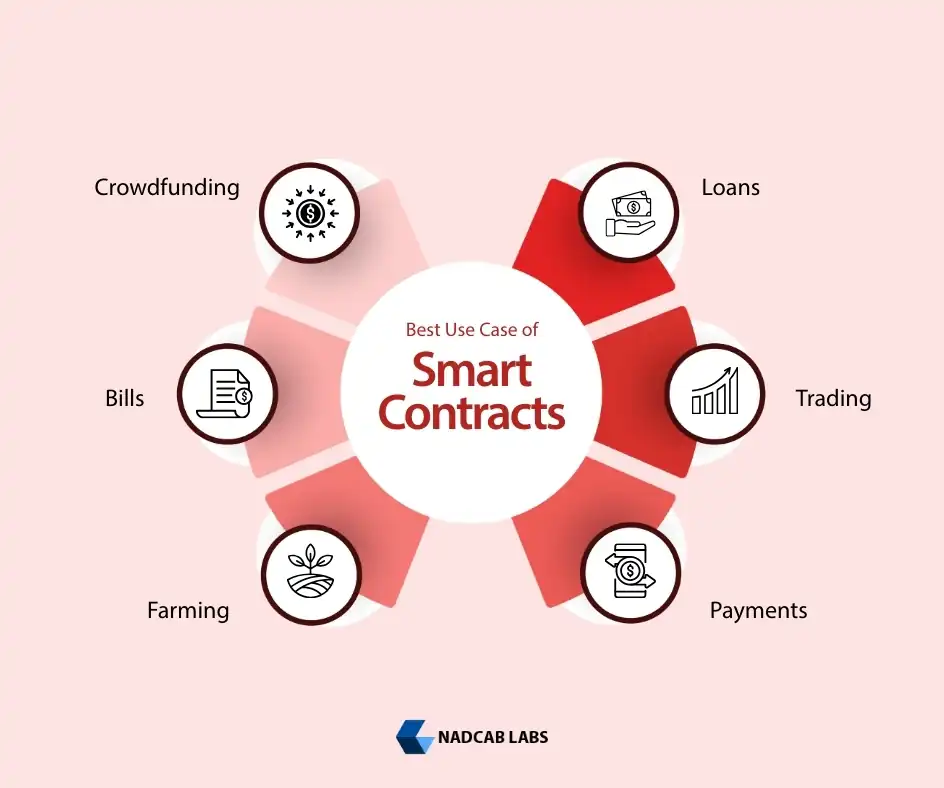
Smart contracts can be used almost everywhere, but the most impactful use case is in finance, especially decentralized finance (DeFi).
Why Finance?
- Money moves instantly
- No middleman or bank delays
- Reduced fees
- High transparency and trust
Examples include:
- Instant loans
- Automated trading
- Peer-to-peer payments
- Yield farming
- Automated bill payments
- Crypto-based crowdfunding
DeFi platforms like Aave, Uniswap, and Compound rely entirely on smart contracts to operate efficiently. They eliminate human error and provide fast, secure transactions.
[Also Read: Why Smart Contract Provenance Matters for Global Supply Chains]
Why Are Smart Contracts Useful?
Smart contracts are like a loyal friend who never forgets and always keeps their promises. They are digital agreements that run on the blockchain, which means they work automatically and securely without needing anyone to supervise. People and businesses are loving them because they make life easier, faster, and safer. Here’s why they are so useful:
- No Middleman Needed – Traditionally, you need banks, lawyers, or brokers to make agreements work. Smart contracts remove all that. The code itself ensures everything happens exactly as planned. It’s like having a friend you can completely trust, who never messes up.
- Fast and Automatic – Actions like payments, approvals, or transfers that usually take hours or days now happen instantly. You don’t have to wait or chase anyone, everything is automatic. It saves time and energy for everyone involved.
- Save Money – Without middlemen, you avoid extra fees and costs. That means more money stays in your pocket instead of going to brokers or intermediaries.
- Totally Transparent – Everything in a smart contract is recorded on the blockchain. Everyone involved can see the rules and actions. There’s no confusion, no secrets, and no cheating. It’s honesty built into technology.
- Super Secure – Blockchain is extremely difficult to hack or alter. Smart contracts are safe, reliable, and tamper-proof. You can trust that the agreement will be honored exactly as written.
- Works Anywhere in the World – Distance doesn’t matter. Whether someone is next door or across the globe, smart contracts work the same. This opens opportunities for global trade and cooperation.
- Opens New Possibilities – Smart contracts are the backbone of many exciting technologies. They power digital money, NFTs, decentralized finance (DeFi), automated insurance claims, supply chain tracking, and so much more. They are making previously impossible ideas real.
In simple words, smart contracts bring trust, speed, security, and freedom. They remove worries, simplify processes, and make agreements fair and automatic. For anyone who wants confidence and peace of mind in business or personal deals, smart contracts are game-changers.
Best Use Cases of Smart Contracts Across Various Industries
Smart contracts are like a trustworthy friend who never forgets a promise and always does what they’re supposed to do. They are digital agreements that automatically execute on the blockchain when conditions are met. Unlike traditional contracts, smart contracts remove middlemen, reduce mistakes, and make life simpler, safer, and faster. Let’s see how they are used in different industries and why they matter.
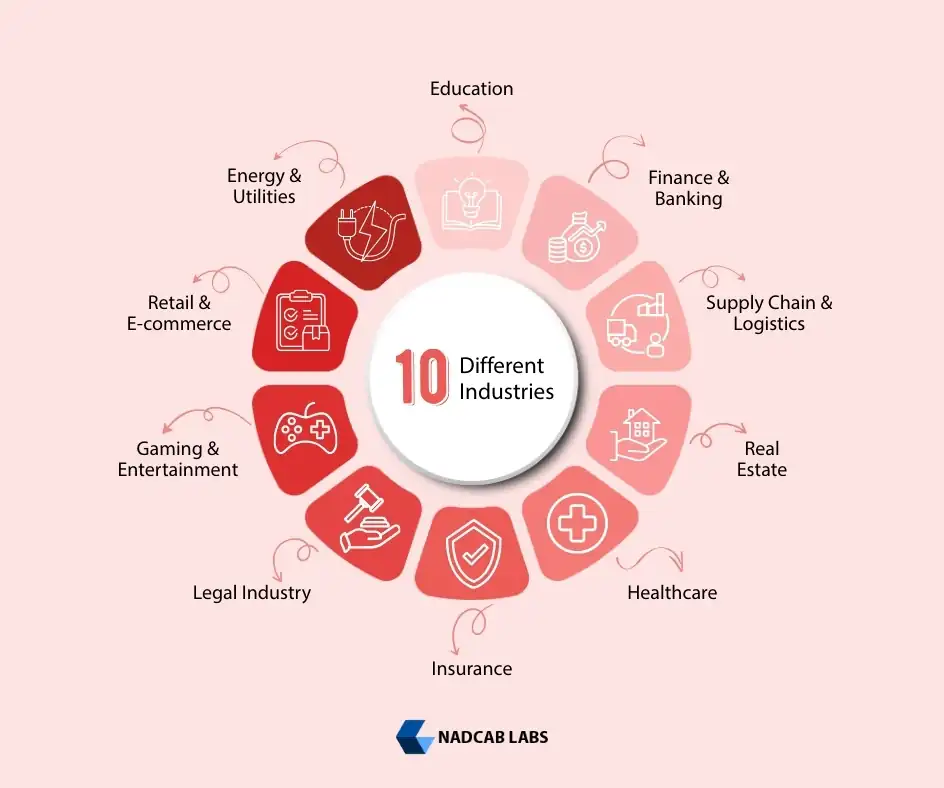
1. Finance & Banking
Smart contracts are changing how banks, lenders, and insurance companies work. They can automatically process loans, payments, and insurance claims. A collection of smart contract examples[2] illustrates how automation is transforming financial operations.
Example: If you apply for a loan, a smart contract can check your eligibility, approve it, and release the money instantly. Repayments are tracked automatically, and penalties for late payments are enforced without human intervention.
Why it matters:
- Reduces mistakes in financial transactions.
- Speeds up approvals and payments.
- Cuts costs by removing brokers or extra fees.
- Builds trust between banks and customers, especially in international transfers.
2. Real Estate
Buying or selling a property is usually slow and complicated. Smart contracts automate property sales, rental agreements, and payment schedules.
Example: When buying a house, a smart contract can hold your money safely until the ownership transfer is confirmed. Then, it releases the payment automatically.
Why it matters:
- Prevents fraud and scams.
- Speeds up buying, selling, or renting.
- Reduces paperwork and saves time.
- Gives buyers and sellers confidence that the deal is secure.
3. Healthcare
Hospitals and insurance companies deal with sensitive information and complex processes. Smart contracts help manage patient records, insurance claims, and prescriptions safely.
Example: A patient’s claim for a treatment can be approved automatically when verified by the hospital.
Why it matters:
- Protects patient data and privacy.
- Speeds up insurance approvals.
- Reduces errors in billing.
- Builds trust between patients, hospitals, and insurers.
4. Supply Chain & Logistics
Tracking shipments and payments in supply chains can be messy. Smart contracts automate confirmations, quality checks, and payments.
A helpful resource on smart contract use cases across industries[3] shows how automation improves trust, efficiency, and fairness, benefiting both businesses and consumers.
Example: A supplier ships goods to a retailer. When delivery is confirmed, the smart contract releases the payment automatically.
Why it matters:
- Improves transparency and accountability.
- Reduces errors and delays.
- Prevents fraud and miscommunication.
- Builds trust between suppliers, manufacturers, and customers.
5. Legal Industry
Lawyers and courts often deal with lots of paperwork. Smart contracts automate agreements, settlements, and dispute resolutions.
Example: Freelancers can use smart contracts to get paid automatically once their work is verified by the client.
Why it matters:
- Speeds up legal processes.
- Reduces human errors and delays.
- Increases transparency and fairness.
- Minimizes disputes and builds trust in legal agreements.
6. Entertainment & Media
Artists, musicians, and creators often face delayed or unfair payments. Smart contracts ensure royalties are distributed automatically.
Example: Every time a song is played or a video is streamed, the smart contract sends payment to the artist instantly.
Why it matters:
- Ensures creators are paid fairly and on time.
- Removes disputes between platforms and creators.
- Encourages creativity because creators can trust the system.
- Builds a fair and transparent ecosystem in the entertainment industry.
7. Energy & Utilities
Energy trading, billing, and monitoring can be automated with smart contracts. They are especially useful for renewable energy producers.
Example: Solar panel owners can sell excess energy to the grid automatically, with payments released instantly via a smart contract.
Why it matters:
- Reduces billing errors and delays.
- Increases transparency in energy trading.
- Encourages adoption of renewable energy.
- Ensures fair payments for producers and consumers.
8. Gaming & NFTs
In gaming and digital collectibles, ownership and rewards are crucial. Smart contracts secure these automatically.
Example: A player buys a rare sword in a blockchain game. The smart contract ensures the sword belongs only to them and cannot be duplicated or stolen.
Why it matters:
- Protects ownership and prevents fraud.
- Automates rewards, purchases, and trades.
- Builds trust among gamers and creators.
- Enables new gaming economies and digital marketplaces.
9. Insurance
Insurance claims can be slow and complicated. Smart contracts make them automatic when conditions are met.
Example: If a flight is delayed, the smart contract pays the insured traveler instantly.
Why it matters:
- Reduces disputes and delays.
- Speeds up payments, giving immediate relief.
- Improves customer trust and satisfaction.
- Makes the insurance process simpler and transparent.
10. E-commerce & Retail
Smart contracts automate payments, returns, and loyalty rewards in online shopping.
Example: If a product is returned, the smart contract processes the refund instantly. Loyalty points are credited automatically after each purchase.
Why it matters:
- Provides a smooth shopping experience.
- Reduces errors and manual work.
- Builds customer trust and encourages repeat business.
- Makes retail operations faster and more reliable.
11. Education
Smart contracts can issue certificates, verify student records, and manage scholarships automatically.
Example: Universities can issue blockchain diplomas that employers can verify instantly. Scholarships can be released automatically when eligibility conditions are met.
Why it matters:
- Prevents forgery of certificates and degrees.
- Reduces administrative work for institutions.
- Builds trust between students, universities, and employers.
- Makes education processes faster and transparent.
12. Travel & Hospitality
Booking, cancellations, and travel insurance can all be automated with smart contracts.
Example: If a hotel booking is canceled, the smart contract triggers a refund immediately. Travel insurance claims are processed automatically if a flight is delayed.
Why it matters:
- Reduces stress for travelers.
- Ensures fair treatment and timely refunds.
- Builds trust between travelers and service providers.
- Simplifies operations for travel companies.
For practical insights into smart contract adoption across industries, check out this real-world smart contract use cases guide.[4] It highlights how automation creates operational efficiency and emotional peace of mind by ensuring fairness, trust, and reliability in everyday transactions.
[Also Read: How Smart Contracts for Efficient Health Improve Data Security and Automation]
Turn Your Smart Contract Idea into Reality
Have an idea? Work with Nadcab Labs to create smart contracts that run automatically — secure, fast, and designed to make your business work smoothly.
Future of Smart Contracts in Various Industries
The future of smart contracts is bright and full of possibilities, and it’s easy to see why they are so exciting. Soon, smart contracts could work with AI to understand situations and make decisions automatically, reducing mistakes and saving time. Real-world things like houses, stocks, or gold could be managed digitally through smart contracts, making ownership clear and safe.
Companies will start using them more for everyday work like paying employees, managing vendors, running audits, and following rules, which will make business faster and simpler. Trade across countries can also become smoother, as smart contracts can handle shipping, customs, and payments automatically. Even governments may recognize them as legal agreements, giving people more trust in their deals. In gaming, NFTs, and the metaverse, smart contracts will help players truly own their digital items and trade them safely.
Smart contracts can also work across different blockchain networks, making everything connected and efficient. Public services could become fairer and more transparent, reducing corruption and building confidence among citizens. In the end, smart contracts promise a world where agreements happen instantly, fairly, and safely, giving both businesses and people peace of mind and confidence in their daily transactions.
Simplify Your Business with Smart Contracts!
Smart contracts are changing the way we do business and make agreements. They bring trust, speed, and fairness to every deal. No middlemen, no mistakes, and no delays, everything happens automatically.
From banks and hospitals to gaming, schools, and government services, smart contracts make work easier, safer, and faster. They give people and businesses peace of mind, knowing that promises will be kept exactly as written.
In the future, smart contracts will become even smarter, using AI, digital assets, and working across different blockchains. This means a world where agreements happen instantly, clearly, and safely, helping everyone trust and work together better. Smart contracts are not just technology; they are making life simpler and fairer for everyone.
[Also Read: ERC-20 Tokens in Smart Contracts for Real World Use Cases Across Industries]
[Also Read: Smart Contract in Web3 Casino Games: Benefits, Security, and Fairness]
[Also Read: Gaming in Smart Contract: The Future of Web3 Games]
Frequently Asked Questions - Smart Contracts
A smart contract is a digital agreement that runs automatically once conditions are met. It eliminates middlemen, delays, and errors, making agreements fast and secure. For example, if Alice wants to buy a digital artwork from Bob, a smart contract can automatically transfer the artwork once Alice pays. It ensures fairness, trust, and transparency. People can rely on it knowing everything will happen exactly as promised, bringing confidence and peace of mind in digital transactions.
Smart contracts are used in finance, gaming, insurance, real estate, and supply chains to automate processes and ensure trust. They allow DeFi platforms to lend or borrow without banks, help track goods from production to delivery, secure in-game assets, and pay insurance claims automatically. Businesses and individuals benefit from faster transactions, reduced errors, and increased transparency. Smart contracts save time, cut costs, and make people feel confident that agreements are executed exactly as intended.
A typical use case is automating transactions and agreements without intermediaries. For example, a company can pay a supplier automatically once goods are delivered, or a freelancer receives payment immediately after completing work. Smart contracts handle conditions precisely, ensuring trust and efficiency. They reduce mistakes, prevent delays, and save money. This automation gives users peace of mind, knowing that all actions will happen exactly as programmed, making processes faster, safer, and more reliable.
Blockchain is useful across many industries because it provides security, transparency, and trust. Finance uses it for transactions and lending, healthcare for medical records, real estate for property transfers, and supply chains for product tracking. Education, legal services, and insurance also benefit. Any industry handling sensitive or valuable data can use blockchain to ensure accuracy, prevent fraud, and streamline processes. It helps businesses operate efficiently and allows people to trust systems without worrying about errors or tampering.
In the legal industry, smart contracts automate agreements like contract signing, escrow payments, and conditional actions. They reduce paperwork, speed up processes, and minimize disputes between parties. Lawyers and clients can rely on these digital agreements to execute exactly as intended, providing certainty and security. Smart contracts help legal work become faster, more transparent, and less stressful. They ensure fairness and accuracy, making it easier to manage complex agreements and giving people peace of mind in legal transactions.
Cybersecurity is crucial across all industries but is especially vital in finance, healthcare, IT, government, and e-commerce. Any sector storing sensitive data, such as personal details, financial records, or intellectual property, needs strong protection. Cybersecurity safeguards against hacks, data theft, and fraud, ensuring trust between businesses and users. Without it, confidential information and operations could be at risk. It provides safety, builds confidence, and helps organizations run smoothly in the digital world while protecting their reputation.
Yes, smart contracts are used in real estate to simplify property transactions. They automate payments, transfer ownership, and manage escrow accounts without human errors. Buyers, sellers, and agents can complete deals faster and more securely. This reduces paperwork, prevents disputes, and ensures transparency. Smart contracts make real estate transactions smoother and stress-free. By automating these processes, people feel more confident and protected, knowing that all steps happen exactly as agreed, creating a trustworthy and reliable environment for property management.
Blockchain is used in many real-life applications of smart contracts to improve security and transparency. It powers cryptocurrencies like Bitcoin and Ethereum, tracks products in supply chains, manages digital identities, secures voting systems, stores healthcare records, and helps with property transfers. Businesses and individuals benefit from more efficient, trustworthy systems. Blockchain ensures data cannot be tampered with and gives people confidence in the process. It’s a technology that makes life safer, faster, and more transparent in multiple areas of daily and professional life.
Yes, smart contracts are widely used by individuals and businesses. They are common in DeFi platforms, NFT marketplaces, gaming, insurance, and supply chain management. People rely on them to automate tasks, reduce errors, save time, and ensure fairness. By using smart contracts, users know agreements will execute exactly as intended without human interference. They bring trust, efficiency, and convenience, helping people feel safe and confident in digital transactions. Smart contracts are becoming an essential tool for modern business and technology.
Absolutely! Smart contracts reduce human errors, prevent fraud, save time, and remove middlemen. They ensure agreements are executed automatically and transparently. Whether it’s payments, property transfers, or digital assets, smart contracts make processes faster, safer, and stress-free. They provide trust and confidence for businesses and individuals alike. People can rely on them knowing everything happens exactly as programmed. Their efficiency, reliability, and transparency make smart contracts highly useful in the real world.
Reviewed & Edited By

Aman Vaths
Founder of Nadcab Labs
Aman Vaths is the Founder & CTO of Nadcab Labs, a global digital engineering company delivering enterprise-grade solutions across AI, Web3, Blockchain, Big Data, Cloud, Cybersecurity, and Modern Application Development. With deep technical leadership and product innovation experience, Aman has positioned Nadcab Labs as one of the most advanced engineering companies driving the next era of intelligent, secure, and scalable software systems. Under his leadership, Nadcab Labs has built 2,000+ global projects across sectors including fintech, banking, healthcare, real estate, logistics, gaming, manufacturing, and next-generation DePIN networks. Aman’s strength lies in architecting high-performance systems, end-to-end platform engineering, and designing enterprise solutions that operate at global scale.