Key Takeaways
- Bitcoin ATMs are self service kiosks that function as point of sale terminals for cryptocurrency, enabling users to buy and sell digital assets using physical cash or debit cards.
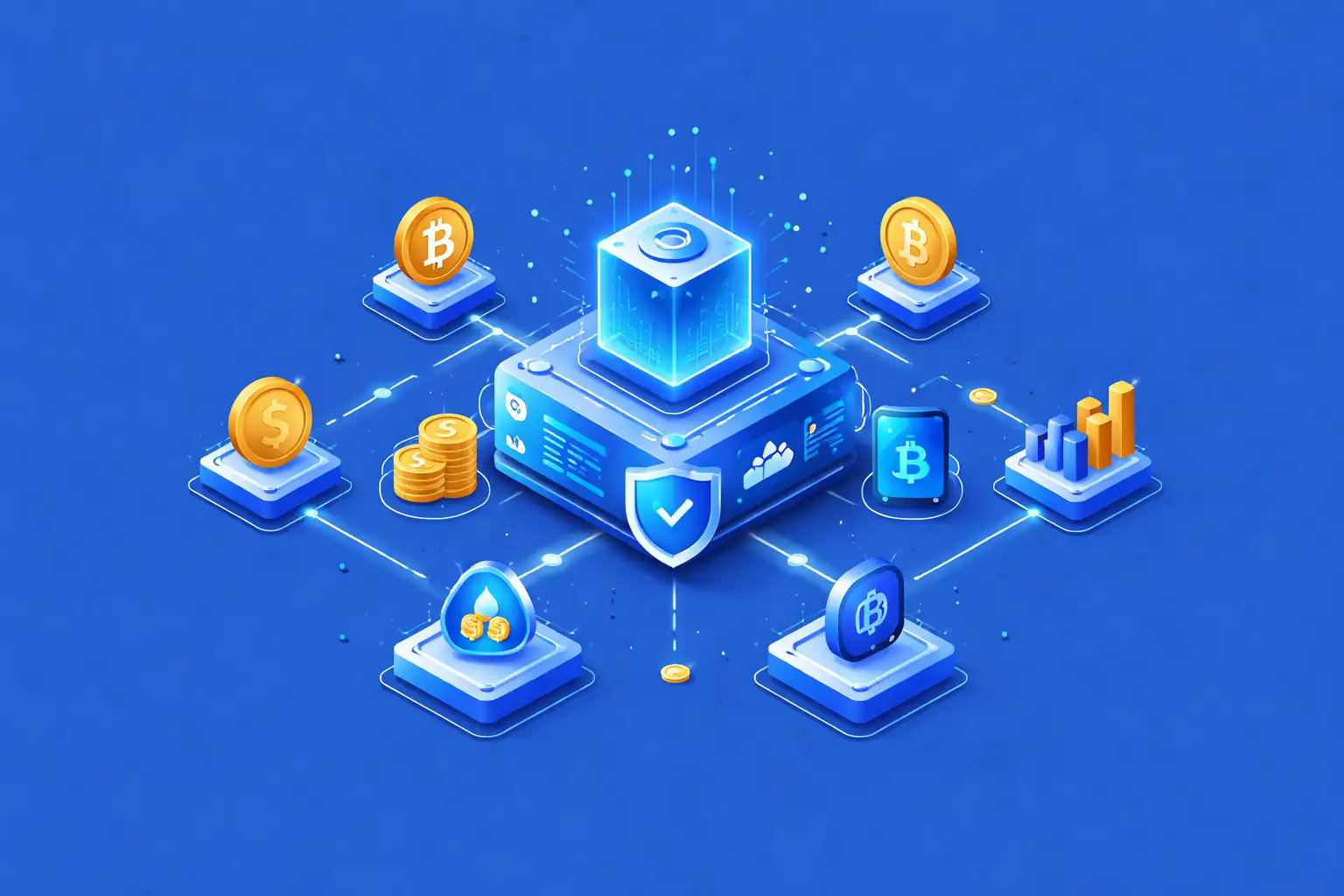
- The technology stack involves specialized hardware (bill validators, QR scanners, biometrics), Linux based operating systems, and backend servers connected to exchange APIs for real time pricing.
- Unidirectional machines only support buying crypto, while bidirectional machines support both buying and selling, with the latter costing significantly more and requiring stricter compliance.
- The total effective cost of using a Bitcoin ATM ranges from 8% to 20% when factoring in the published fee, exchange rate spread, and network transaction fee combined.
- Operators must comply with MSB registration, KYC/AML regulations, state licensing requirements, and increasingly sophisticated blockchain analytics screening.
- Social engineering scams represent the biggest user threat, with the FTC reporting over $110 million in crypto ATM scam losses in 2023 alone. Never send Bitcoin via ATM based on someone else’s instructions.
- The United States dominates the global market with approximately 82% of all installed Bitcoin ATMs, while emerging markets in Latin America and Africa represent the next growth frontier.
- Bitcoin ATMs are ideal for quick cash purchases, unbanked users, small transactions, and beginners, while online exchanges remain better for large volumes and cost sensitive users.
- The operator business model generates 20% to 40% net margins on well placed machines, with location selection and transaction volume being the most critical success factors.
- The future of Bitcoin ATMs includes Lightning Network integration, stablecoin support, improved compliance tooling, and expansion into underbanked regions globally.
Introduction to Bitcoin ATMs
The concept of a Bitcoin ATM might seem paradoxical at first. Bitcoin was designed to eliminate the need for physical intermediaries, yet here we have physical machines dedicated to facilitating its purchase and sale. However, this apparent contradiction reveals something profound about the current state of cryptocurrency adoption: the bridge between the digital asset world and the physical economy is not just useful, it is essential.
Bitcoin ATMs (also known as BTMs or crypto kiosks) are self service machines that allow users to buy Bitcoin and other cryptocurrencies using cash or debit cards, and in many cases, sell cryptocurrency in exchange for physical cash. Since the installation of the world’s first Bitcoin ATM at Waves Coffee House in Vancouver, Canada in October 2013, the industry has exploded into a multi billion dollar global infrastructure network with over 38,000 machines deployed worldwide.
But Bitcoin ATMs are far more than simple vending machines for cryptocurrency. They represent a complex intersection of financial technology, regulatory compliance, telecommunications, cash logistics, and blockchain infrastructure. Each machine must simultaneously interact with blockchain networks in real time, comply with local financial regulations, verify user identities, manage physical cash security, and maintain persistent internet connectivity.
In this advanced guide by Nadcab Labs, we go beyond the basics to explore the technology powering these machines, the economics behind their operation, the regulatory frameworks governing them across jurisdictions, the evolving fee structures, security protocols, and the future trajectory of the Bitcoin ATM industry as cryptocurrency moves deeper into mainstream adoption.
Industry Snapshot: As of 2025, the Bitcoin ATM market is valued at over $100 million annually in operator revenue alone, with projections indicating continued growth as regulatory clarity improves and cryptocurrency adoption accelerates globally.
What Is a Bitcoin ATM and How Does It Differ from a Traditional ATM?
A Bitcoin ATM is a physical kiosk connected to the internet that enables users to purchase cryptocurrency using physical cash or debit cards and, in many bidirectional models, sell cryptocurrency to receive physical cash. Despite sharing the name “ATM,” these machines operate fundamentally differently from the traditional bank ATMs you encounter daily.
A traditional ATM is a terminal connected to a banking network. It accesses your bank account, verifies your balance, and dispenses cash from your existing funds. It does not create new value; it merely provides physical access to money you already own. A Bitcoin ATM, by contrast, functions as a point of sale terminal for cryptocurrency. It executes a real time trade: you provide cash, and the machine sends Bitcoin to your wallet address at the prevailing exchange rate (minus fees). It is more accurately described as a crypto vending kiosk than an automated teller machine.
Consider the analogy of a foreign currency exchange booth at an international airport. You walk up with US dollars, hand them over, and receive euros in return. The exchange booth quotes you a rate (with a built in spread), processes the transaction, and hands you a different form of money. A Bitcoin ATM works on the same principle, except instead of receiving foreign cash, you receive cryptocurrency sent directly to your digital wallet.
Traditional ATM vs Bitcoin ATM
Traditional Bank ATM
Connected to bank networks. Accesses your existing account. Dispenses or accepts cash. Regulated by banking authorities. Minimal fees for account holders. Requires a debit/credit card.
Bitcoin ATM (BTM)
Connected to blockchain and exchange APIs. Executes real time crypto trades. Accepts cash or card, sends crypto. Regulated as a Money Service Business. Higher fees (5% to 20%). Requires a crypto wallet address.
How Do Bitcoin ATMs Work? The Technical Deep Dive
Understanding the inner workings of a Bitcoin ATM reveals a surprisingly sophisticated system that coordinates multiple technologies in real time. Here is what happens beneath the surface when you insert cash and press “Buy Bitcoin.”
The machine runs a specialized software stack, typically a custom Linux based operating system with a proprietary application layer provided by the manufacturer. This application connects to the operator’s backend server, which in turn interfaces with one or more cryptocurrency exchanges through API integrations. When a user initiates a purchase, the machine queries the current Bitcoin price from these exchange feeds, applies the operator’s markup (fee), and presents the final rate to the user.
Internal Architecture of a Bitcoin ATM Transaction
1
User Authentication: The machine verifies identity through phone number (SMS OTP), government ID scan, or facial recognition depending on the transaction amount and local regulatory requirements
2
Wallet Address Capture: The user scans a QR code from their mobile wallet, or the machine generates a paper wallet. The address is validated against blockchain format standards
3
Cash Validation: The bill acceptor module authenticates each bill using UV, magnetic, infrared, and thickness sensors to detect counterfeits. Validated bills are stored in a secure cash cassette
4
Price Calculation: The backend server queries real time exchange rates from connected exchanges, applies the operator fee spread, and locks the price for a brief window (typically 15 to 60 seconds)
5
Blockchain Transaction: The operator’s hot wallet initiates a Bitcoin transaction to the user’s provided wallet address. The transaction is broadcast to the Bitcoin mempool
6
Confirmation and Receipt: The machine prints or emails a receipt with the transaction hash, amount sent, and wallet address. Full blockchain confirmation typically occurs within 10 to 60 minutes
The entire process, from inserting cash to receiving Bitcoin, typically takes between 2 to 10 minutes depending on the KYC requirements. The machine operates as a thin client, meaning the heavy processing (exchange rate calculation, compliance checks, blockchain transactions) happens on the operator’s backend servers, while the physical machine handles the user interface, cash handling, and identity verification hardware.
Types of Bitcoin ATMs: Unidirectional vs Bidirectional
Bitcoin ATMs come in two primary configurations, and the distinction has significant implications for functionality, cost, regulatory requirements, and user experience.
Unidirectional (One Way)
These machines only support buying cryptocurrency. Users insert cash and receive Bitcoin. They do not dispense cash in exchange for crypto.
- Lower hardware cost ($3,000 to $8,000)
- Simpler bill acceptor mechanism only
- Smaller physical footprint
- Fewer regulatory requirements in some jurisdictions
- Represents about 55% of all installed machines globally
Bidirectional (Two Way)
These machines support both buying and selling cryptocurrency. Users can insert cash to buy Bitcoin and sell Bitcoin to receive physical cash dispensed from the machine.
- Higher hardware cost ($8,000 to $15,000+)
- Includes bill acceptor and cash dispenser
- Larger physical size and heavier unit
- Stricter regulatory requirements (cash dispensing triggers additional AML obligations)
- Growing in market share as demand for sell functionality increases
A third emerging category is the crypto kiosk or tablet based terminal, which is a lighter, lower cost device designed for high traffic retail environments like convenience stores and gas stations. These devices typically only support buying with debit cards (no cash), have smaller screens, and rely on the retailer’s existing internet infrastructure. Companies like CoinMe have pioneered this model by partnering with major retailers to place terminals at checkout counters.
The Technology Stack Behind Bitcoin ATMs
A Bitcoin ATM is a sophisticated convergence of hardware and software components that must work seamlessly together. Understanding this technology stack helps explain both the capabilities and limitations of these machines.
Hardware Components: The physical machine typically includes a touchscreen display (10 to 21 inches), a bill validator/acceptor module (MEI, JCM, or ITL brands are common), a QR code scanner (camera module), a receipt printer, a secure cash cassette, and in bidirectional models, a cash dispenser unit. Some advanced models include biometric scanners (fingerprint or palm vein), NFC readers for contactless payment, and ID document scanners with OCR capabilities.
Operating System: Most Bitcoin ATMs run customized Linux distributions (typically Ubuntu or Debian based) hardened for kiosk deployment. The OS is configured to run the ATM application in full screen kiosk mode, with all unnecessary services disabled to minimize the attack surface. Remote management capabilities allow operators to update software, reboot machines, and diagnose issues without physical access.
Backend Infrastructure: The operator’s backend server orchestrates the entire ecosystem. It aggregates price feeds from multiple exchanges (typically using weighted average or best price algorithms), manages the operator’s hot wallet for outbound crypto transactions, processes KYC/AML compliance checks through integrated third party services (like Jumio, Onfido, or Chainalysis), and provides the operator dashboard for fleet management, reporting, and analytics.
Connectivity: Bitcoin ATMs require persistent internet connectivity. Most use a combination of hardwired Ethernet (when available), cellular data (4G/5G with SIM card), and sometimes WiFi as a fallback. Enterprise grade machines include dual SIM capability for automatic failover between carriers.
Technical Note: The major Bitcoin ATM manufacturers include General Bytes (largest by installed base), Genesis Coin, BitAccess, Lamassu, and Coinsource. General Bytes offers an open server architecture called CAS (Crypto Application Server) that operators can self host, giving them full control over their backend infrastructure. This is a critical consideration for operators who prioritize data sovereignty and customization.
Step by Step: Buying Bitcoin at an ATM
The purchase process at a Bitcoin ATM varies slightly between operators and models, but the general flow is consistent across the industry. Here is a detailed walkthrough of a typical buy transaction.
Step 1: Locate a Machine. Use locator services like Coin ATM Radar (coinatmradar.com) or the operator’s own app to find the nearest Bitcoin ATM. Check if it is currently online, what cryptocurrencies it supports, and whether it is a buy only or bidirectional machine.
Step 2: Select “Buy Bitcoin.” On the touchscreen, select the cryptocurrency you want to purchase. Most machines now support Bitcoin, Ethereum, Litecoin, and Bitcoin Cash at minimum.
Step 3: Complete Identity Verification. For small transactions (typically under $250 to $500), many machines only require a mobile phone number with SMS verification. For larger amounts, you may need to scan a government issued ID. Some jurisdictions require ID verification for all transaction sizes.
Step 4: Provide Your Wallet Address. Scan the QR code of your Bitcoin wallet address using the machine’s camera. If you do not have a wallet, some machines can generate a paper wallet with a public and private key pair, though this practice is becoming less common due to security concerns.
Step 5: Insert Cash. Feed bills into the bill acceptor one at a time. The screen will update in real time showing the total cash inserted and the corresponding amount of Bitcoin you will receive (after fees). Most machines accept denominations from $1 to $100 bills.
Step 6: Confirm and Complete. Review the transaction summary showing the exchange rate, fee, total cash amount, and Bitcoin amount. Press confirm to finalize. The machine will broadcast the Bitcoin transaction to the network. You will typically see the transaction appear in your wallet within minutes, with full confirmation taking 10 to 60 minutes.
Step by Step: Selling Bitcoin at a Bidirectional ATM
Selling Bitcoin at a bidirectional Bitcoin ATM is a two stage process that involves first sending Bitcoin to the machine’s designated wallet and then returning to collect your cash (or receiving it immediately, depending on the operator).
Step 1: Select “Sell Bitcoin” on the machine’s touchscreen and complete the required identity verification.
Step 2: Enter the Amount of cash you wish to receive. The machine will calculate the corresponding Bitcoin amount based on the current exchange rate (including the operator’s fee spread).
Step 3: Send Bitcoin to the Machine’s Address. The ATM will display a QR code representing the operator’s receiving wallet address and the exact amount of Bitcoin to send. Using your mobile wallet, scan the QR code and send the specified amount.
Step 4: Wait for Blockchain Confirmation. This is where the process diverges from buying. The operator needs to verify that the Bitcoin transaction has received sufficient confirmations (usually 1 to 3) before releasing cash. This can take anywhere from 10 minutes to over an hour. Some operators offer a “pre release” feature where cash is dispensed after zero confirmations for returning customers with established accounts, accepting the double spend risk for better user experience.
Step 5: Collect Your Cash. Once confirmed, you either receive cash immediately from the dispenser, or if the wait was too long, you receive a redemption code via SMS that you can use to collect cash from the same machine at a later time.
Advanced Insight: The sell process is inherently slower than buying because the operator must wait for blockchain confirmations to avoid double spend attacks. Some sophisticated operators use Replace By Fee (RBF) detection and mempool analysis to assess transaction risk and offer faster cash dispensing for low risk transactions. This is one of the key technical differentiators between top tier and basic Bitcoin ATM operators.
KYC, AML, and Compliance Requirements for Bitcoin ATMs
Compliance is arguably the most complex and evolving aspect of the Bitcoin ATM industry. Bitcoin ATM operators are classified as Money Service Businesses (MSBs) in the United States and are subject to equivalent designations in other jurisdictions. This classification brings a substantial regulatory burden that directly impacts how machines operate, what data they collect, and how transactions are monitored.
Know Your Customer (KYC) Tiers: Most operators implement tiered KYC requirements based on transaction value. Transactions below $250 to $500 might only require phone verification. Between $500 and $3,000, a government issued photo ID is typically required. Above $3,000, enhanced due diligence including address verification and source of funds documentation may be needed. These thresholds vary by jurisdiction and operator.
Anti Money Laundering (AML) Programs: Operators are required to maintain comprehensive AML programs that include transaction monitoring systems that flag suspicious patterns (such as structuring, where users make multiple transactions just below reporting thresholds), Suspicious Activity Report (SAR) filing with FinCEN or equivalent authorities, ongoing customer due diligence, employee training programs, and independent compliance audits.
Blockchain Analytics Integration: Advanced operators integrate blockchain analytics tools from providers like Chainalysis, Elliptic, or CipherTrace to screen wallet addresses against sanctions lists, known illicit addresses, and risk scoring databases. This adds an additional layer of compliance that goes beyond traditional identity verification.
State Level Licensing (US Specific): In the United States, most states require Bitcoin ATM operators to obtain a Money Transmitter License (MTL). The application process is expensive (often $50,000+ per state in bonds and fees), time consuming (6 to 18 months), and requires ongoing compliance reporting. Some states like New York require the separate BitLicense. This regulatory patchwork creates significant barriers to entry for new operators.
Bitcoin ATM Fee Structure and Hidden Costs Explained
One of the most discussed (and criticized) aspects of Bitcoin ATMs is their fee structure. Understanding how fees are calculated and what hidden costs exist is critical for users making informed decisions.
The key takeaway for users is that the advertised fee is not the total cost. A machine advertising “only 8% fee” might actually cost you 12% to 15% when the exchange rate spread and network fee are factored in. Always compare the Bitcoin amount you receive with the actual market price at the time of purchase to calculate the true cost. For example, if Bitcoin’s market price is $60,000 and you insert $100, you should receive approximately $100 worth of Bitcoin. If the machine sends you only $85 worth, your total effective fee is 15%.
Bitcoin ATM Operators and Market Leaders
The Bitcoin ATM industry is dominated by a handful of major operators who together control the majority of installed machines globally. Understanding the competitive landscape provides insight into the industry’s health and direction.
Bitcoin Depot
The largest Bitcoin ATM operator in North America with over 7,000 machines. Became publicly traded on NASDAQ in 2023 (ticker: BTM), marking a significant milestone for the industry’s mainstream acceptance.
CoinFlip
The second largest US operator with a strong focus on competitive pricing and customer experience. Known for lower than average fees and strong brand recognition in the crypto ATM space.
Coinsource
A major operator with a broad US footprint. Notable for being one of the first Bitcoin ATM companies to receive New York’s BitLicense, demonstrating a strong commitment to regulatory compliance.
General Bytes
While primarily a manufacturer rather than an operator, General Bytes produces more Bitcoin ATM hardware than any other company globally and operates the open source CAS backend platform used by thousands of independent operators.
Global Distribution and Growth Trends of Bitcoin ATMs
The global distribution of Bitcoin ATMs reveals fascinating patterns about cryptocurrency adoption, regulatory environments, and economic conditions across different regions.
The United States dominates the global market with approximately 82% of all installed machines, followed by Canada (approximately 6%), Europe (approximately 5%), and the rest of the world (approximately 7%). This concentration reflects both the favorable regulatory environment in North America and the higher disposable income levels that support ATM fee structures.
Growth has not been linear. The industry experienced explosive expansion between 2020 and 2022, with the global count rising from approximately 6,000 machines to over 38,000. However, 2023 and 2024 saw a period of consolidation, with some operators reducing their footprints due to regulatory pressure, rising compliance costs, and market downturns. As of 2025, the market has stabilized and is growing more sustainably, with operators prioritizing profitability and compliance over raw installation numbers.
Emerging markets in Latin America, Africa, and Southeast Asia represent the next growth frontier. Countries like El Salvador (where Bitcoin is legal tender), Nigeria, Brazil, and the Philippines are seeing increasing demand for physical crypto access points, particularly in communities with limited traditional banking infrastructure. According to data tracked by Coin ATM Radar, the number of countries with at least one Bitcoin ATM has grown from 58 in 2020 to over 80 in 2025.
Cryptocurrencies Supported by Bitcoin ATMs
While Bitcoin remains the primary cryptocurrency available at every machine, the range of supported digital assets has expanded significantly. The altcoin support varies by operator and machine model.
Bitcoin (BTC) is universally available on 100% of crypto ATMs. Beyond Bitcoin, the most commonly supported cryptocurrencies include Ethereum (available on approximately 65% of machines), Litecoin (approximately 50%), Bitcoin Cash (approximately 40%), and Dogecoin (approximately 15%). Some operators have added support for stablecoins like USDC and USDT, which is particularly interesting as it allows users to convert cash into a dollar denominated digital asset without exposure to crypto price volatility.
The decision of which altcoins to support is driven by consumer demand, liquidity depth (operators need sufficient exchange liquidity to manage their inventory), and regulatory considerations. Some jurisdictions have specific rules about which digital assets qualify as “virtual currency” versus “securities,” which can affect what an operator is legally permitted to sell through their machines.
Security Risks and How to Stay Safe at Bitcoin ATMs
Bitcoin ATMs present a unique security landscape that combines the physical security risks of handling cash with the digital security risks of cryptocurrency transactions. Both operators and users must be vigilant against multiple threat vectors.
Social Engineering Scams
The most prevalent threat. Scammers impersonate government agencies, tech support, or romantic interests and instruct victims to deposit cash into a Bitcoin ATM, sending the Bitcoin to the scammer’s wallet. The FTC reports that crypto ATM scam losses exceeded $110 million in 2023 alone.
Machine Compromise Attacks
Attackers may attempt to compromise the ATM’s software to redirect transactions to their own wallets. In 2023, General Bytes disclosed a vulnerability in their CAS server that was exploited by attackers to steal over $1.5 million from multiple operators.
QR Code Manipulation
Attackers might place fake QR code stickers over the machine’s display or scanner, redirecting Bitcoin to an attacker’s address. Always verify your wallet address independently before confirming a transaction.
Physical Theft and Robbery
Because these machines contain physical cash, they are targets for physical attacks including ram raids, lock picking, and forceful extraction. Operators mitigate this through bolting machines to the floor, weighted bases, GPS tracking, tamper alarms, and strategic placement in well monitored locations.
Nadcab Labs Security Advisory: If anyone instructs you to go to a Bitcoin ATM and send them money for any reason (government payment, tech support, prize claim, or romantic request), it is a scam. Legitimate organizations and government agencies never request payments via Bitcoin ATM. Stop, verify independently, and report the attempt to local authorities.
Bitcoin ATMs vs Online Exchanges: A Detailed Comparison
Understanding when a Bitcoin ATM makes sense versus using an online exchange is a critical decision for any crypto participant. The answer depends on your priorities: speed, cost, privacy, convenience, and transaction size.
The practical use case for Bitcoin ATMs becomes clear: they serve users who value speed and convenience over cost, need to use physical cash, do not have bank accounts, or want a simple experience without navigating complex exchange interfaces. For a first time buyer purchasing $50 of Bitcoin using a $50 bill, the premium paid at a Bitcoin ATM is the price of convenience and accessibility, similar to how buying a bottle of water at an airport costs more than at a grocery store.
Regulatory Landscape for Bitcoin ATMs Across Regions
The regulatory environment for Bitcoin ATMs varies dramatically by country and even by state or province within countries. This regulatory patchwork is one of the biggest challenges for operators seeking to scale globally.
United States: Bitcoin ATM operators must register as Money Service Businesses (MSBs) with FinCEN at the federal level and obtain Money Transmitter Licenses in most states. States like New York additionally require the BitLicense. The regulatory burden is high but provides legal clarity. FinCEN has been increasing enforcement actions against non compliant operators.
Canada: Operators must register with FINTRAC (Financial Transactions and Reports Analysis Centre of Canada) as Money Service Businesses. Canada was the first country to host a Bitcoin ATM and maintains a relatively supportive regulatory stance.
European Union: Under MiCA (Markets in Crypto Assets) regulation, which came into effect in 2024, Bitcoin ATM operators must obtain a Crypto Asset Service Provider (CASP) license. The EU framework is harmonized across member states but implementation timelines vary.
United Kingdom: The FCA (Financial Conduct Authority) took a notably strict stance, declaring that all crypto ATMs operating in the UK without FCA registration are doing so illegally. This led to the removal of most machines in 2022, though compliant operators are slowly returning.
El Salvador: As the first country to adopt Bitcoin as legal tender in 2021, El Salvador has one of the most supportive environments for Bitcoin ATMs. The government installed a national network of Bitcoin ATMs (branded “Chivo ATMs”) to facilitate Bitcoin adoption among the population.
Common Mistakes and Scams to Avoid at Bitcoin ATMs
The Bitcoin ATM space has unfortunately become a significant channel for fraud and user errors. Here are the most critical pitfalls to be aware of, supported by data from industry reports referenced by the Federal Trade Commission (FTC).
1
Government Impersonation Scams
Scammers pose as IRS, Social Security, or law enforcement agents, claiming you owe money or face arrest. They direct you to a Bitcoin ATM and provide a QR code to send money. Remember: no government agency ever demands payment via Bitcoin. Period.
2
Not Calculating the True Fee
Many users only see the advertised percentage fee and miss the exchange rate spread. Before completing a transaction, compare the Bitcoin amount displayed with the current market price using an independent source like CoinGecko to calculate your real total cost.
3
Sending to the Wrong Wallet Address
Once Bitcoin is sent to an incorrect address, it cannot be recovered. Always verify the destination wallet address character by character. Be especially cautious of clipboard malware that replaces copied addresses on your phone.
4
Using Paper Wallets Generated by the Machine
Some machines offer to create a paper wallet for users without one. This is risky because the machine (and potentially the operator) has seen your private key during generation. Always bring your own wallet address from a wallet you control.
5
Exceeding Daily Limits Without Realizing
Many operators enforce daily and weekly transaction limits tied to your KYC level. Attempting to exceed these by visiting multiple machines (structuring) can trigger compliance alerts, freeze your account, or even result in a Suspicious Activity Report being filed.
The Business of Operating a Bitcoin ATM: Economics and Considerations
For those interested in the business side, operating a Bitcoin ATM network is a capital intensive but potentially lucrative venture. Understanding the economics provides insight into why fees are set the way they are and where the industry is heading.
Capital Expenditure: A single machine costs between $3,000 (basic unidirectional) and $15,000+ (premium bidirectional). Installation, shipping, site preparation, and security hardware add another $1,000 to $5,000 per location.
Operating Expenses: Ongoing costs include location rent ($500 to $2,000 per month per site), internet connectivity ($50 to $150), cash logistics (armored car services for cash pickup and replenishment, $200 to $500 per visit), compliance program maintenance ($2,000 to $10,000 monthly for the overall program), insurance ($1,000 to $5,000 annually per machine), and software licensing fees to the manufacturer.
Revenue Model: Revenue comes primarily from the transaction fee spread. If a machine processes $50,000 in monthly transaction volume with an average 12% total fee, the gross revenue is $6,000 per month per machine. After operating expenses, net margins typically range from 20% to 40% for well managed operations.
Critical Success Factors: Location selection is paramount. High traffic areas with foot traffic from the target demographic (convenience stores, gas stations, laundromats, check cashing stores) significantly outperform less visible locations. Volume is king in this business, and a machine that does not attract sufficient transactions quickly becomes unprofitable.
At Nadcab Labs, we consult with businesses exploring the crypto ATM opportunity, providing guidance on technology selection, compliance frameworks, and operational best practices to maximize the chances of building a successful and compliant operation.
Final Thoughts on Bitcoin ATMs
Bitcoin ATMs represent a fascinating intersection of the digital and physical worlds. They serve as tangible, accessible entry points into the cryptocurrency ecosystem for millions of people who might otherwise never interact with blockchain technology. For the unbanked, the technologically hesitant, and the cash preferring, these machines are often the most intuitive path to digital asset ownership.
However, the industry faces real challenges. Fee structures remain significantly higher than online alternatives, scammers have weaponized these machines against vulnerable populations, and the regulatory landscape continues to tighten across jurisdictions. Operators who prioritize compliance, customer education, fraud prevention, and reasonable pricing will be the ones who survive and thrive as the market matures.
Looking ahead, the convergence of improved regulatory frameworks, declining hardware costs, Lightning Network integration for instant Bitcoin transactions, stablecoin support for dollar denominated digital value, and expanding global reach positions Bitcoin ATMs as a permanent and important component of the broader crypto infrastructure.
At Nadcab Labs, we believe that the future of finance is a hybrid of digital and physical, and Bitcoin ATMs are a prime example of that convergence in action. Understanding their mechanics, economics, and risks equips you to make smarter decisions whether you are a user, an operator, or a developer building the next generation of crypto access solutions.
Frequently Asked Questions
The total effective cost typically ranges from 8% to 20% of the transaction amount when you factor in the published fee (5% to 12%), the exchange rate spread (1% to 5%), and the blockchain network fee ($1 to $15). Always compare the Bitcoin amount you receive against the current market price to calculate your true cost.
It depends on the transaction amount and local regulations. Small purchases (typically under $250 to $500) often only require phone number verification via SMS. Larger transactions require a government issued photo ID. Some jurisdictions mandate ID for all transaction sizes regardless of amount.
You will typically see the transaction appear in your wallet within 2 to 10 minutes of completing the purchase. However, full blockchain confirmation (which requires 3 to 6 confirmations on the Bitcoin network) usually takes 30 to 60 minutes depending on network congestion and the fee level paid by the operator.
No. Only bidirectional (two way) Bitcoin ATMs support selling crypto for cash. Approximately 45% of machines globally are bidirectional. Unidirectional machines only allow buying. Check the machine specifications on Coin ATM Radar before visiting to confirm sell functionality is available.
The machines themselves are generally safe when operated by reputable companies. The primary risk is social engineering scams where criminals trick people into sending Bitcoin via ATM. Never use a Bitcoin ATM because someone told you to, especially if they claim to be from a government agency, tech support, or a romantic interest. Always initiate transactions on your own volition.
Reviewed & Edited By

Aman Vaths
Founder of Nadcab Labs
Aman Vaths is the Founder & CTO of Nadcab Labs, a global digital engineering company delivering enterprise-grade solutions across AI, Web3, Blockchain, Big Data, Cloud, Cybersecurity, and Modern Application Development. With deep technical leadership and product innovation experience, Aman has positioned Nadcab Labs as one of the most advanced engineering companies driving the next era of intelligent, secure, and scalable software systems. Under his leadership, Nadcab Labs has built 2,000+ global projects across sectors including fintech, banking, healthcare, real estate, logistics, gaming, manufacturing, and next-generation DePIN networks. Aman’s strength lies in architecting high-performance systems, end-to-end platform engineering, and designing enterprise solutions that operate at global scale.